Harrison’s Playmakers: Inclusion, Kindness, & Community
You might know Harrison Phillips as the New York Jets’ Defensive Tackle. But when he’s not on the field there’s a good chance he’s leading an event for his nonprofit, Harrison’s Playmakers.
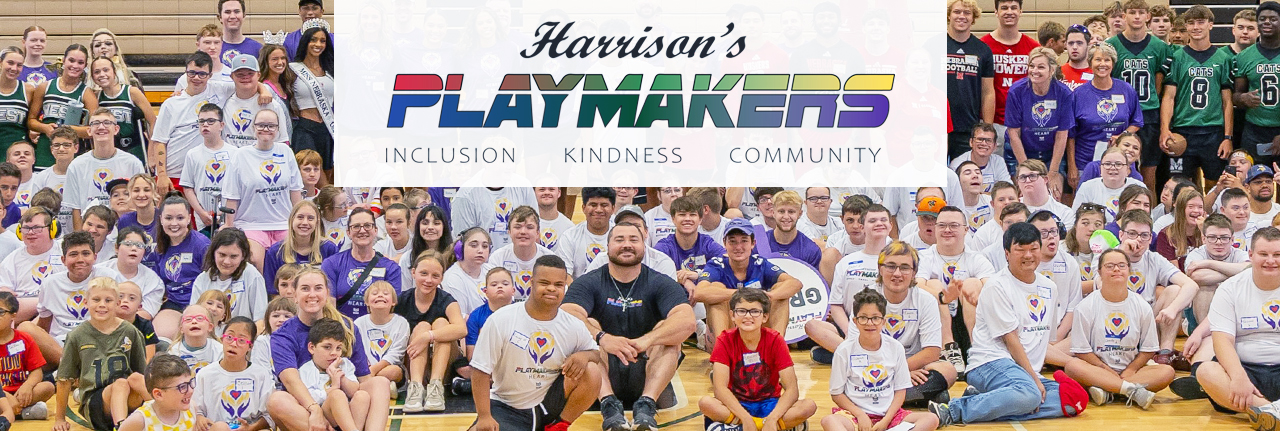
Harrison Phillips founded Harrison’s Playmakers in 2018 to put on sports camps and other activities for those with disabilities. Operating in Omaha, Buffalo, and Minneapolis, they collaborate with community organizations to put on year-round programs, camps, and activities for youth. Through mentorship and teamwork, they help kids find courage, connect with their peers, and gain confidence in themselves. They also promote a spirit of volunteerism, inclusion, and service by encouraging youth to give back to charities close to them.
We had the privilege of asking Harrison more questions about his nonprofit, and are inspired by his passion for this cause and heart for service. We’re honored that Harrison’s Playmakers banks at Core Bank. Learn more about this impactful cause in this exclusive Q&A with Harrison Phillips below.
Q&A With Harrison Phillips
Founder of Harrison’s Playmakers
Q: Your mission emphasizes mentorship, inclusion, and building self‑worth. What personal experiences—whether from childhood, your early career, or moments of service—shaped your passion for this work and made giving back feel like a calling rather than an obligation?
A: I trace most of my passions for giving back and paying it forward in my communities to my faith. As a Christian, the Bible teaches and instills wonderful traits and values that inspire me to help others. Growing up in the church at St. Paul’s in Omaha, those values became a core part of who I am.
As an athlete in high school, I normally sat and had lunch with the “cool kids”. Arriving to eat late one day, I sat with a group of others who had developmental differences and I had so much fun experiencing the joy and happiness they exhibited despite their special need. It hit me that because of their disability, they oftentimes were left out of mainstream activities and those of us without special needs were missing out on the happiness I experienced that day. From then on, I was committed to find a way to create mainstream opportunities we could share together. This is what our “Inclusion Revolution” is all about.
Q. When you look at the kids in your programs today, do you see reflections of your younger self? Which parts of their journeys resonate most deeply with you?
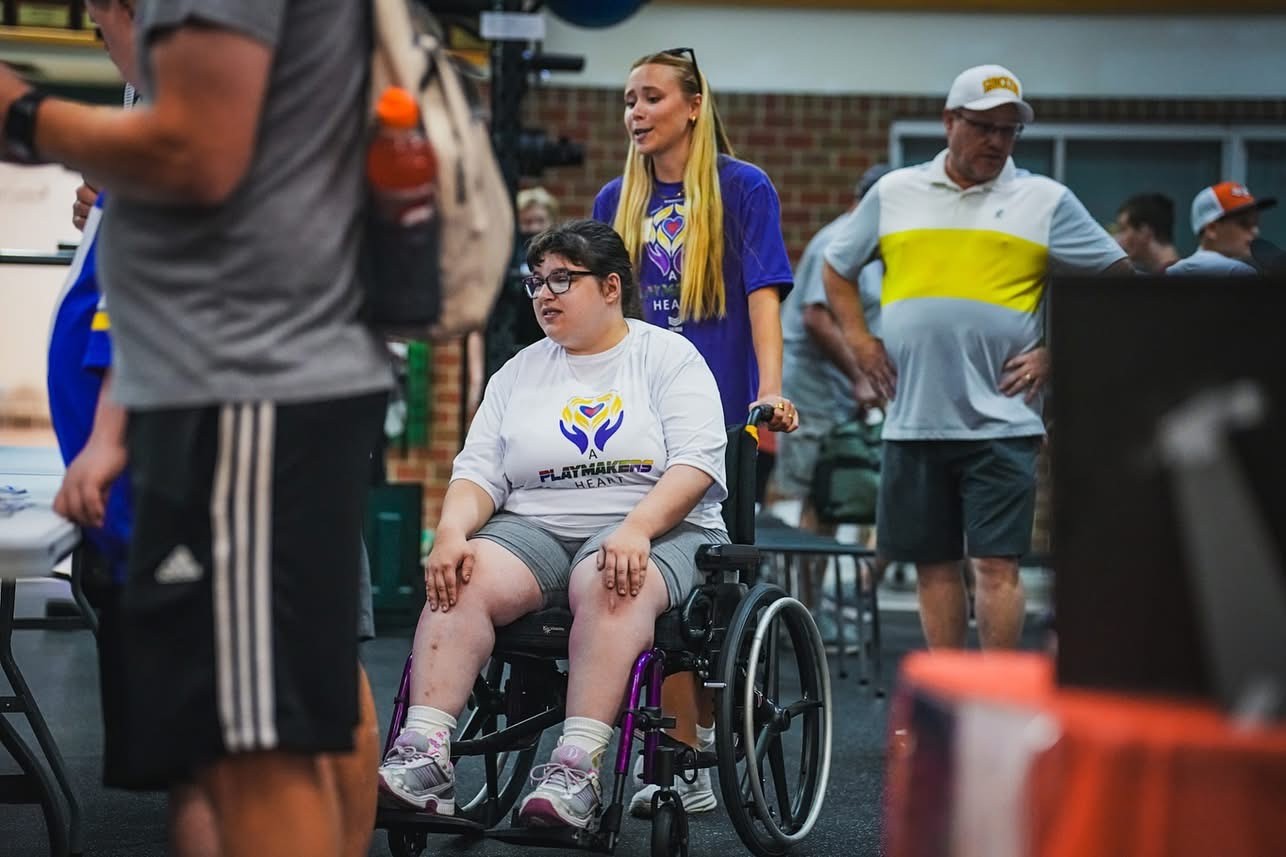
A. The children and young adults we serve each have unique developmental differences and special needs. Among them are individuals who are visually impaired, hard of hearing, cancer survivors, have Down Syndrome, are on the autism spectrum, and have many other afflictions. Our hearts are open to everyone we work with.
I often see parts of myself in these kids, believing the best way to connect with someone is through shared adversity. Everyone has faced “the hardest thing they’ve ever had to go through.” So, when these kids show up to my events with smiles on their faces, eager and excited for new activities despite the challenges they face, I truly see myself in them. They are no different than any of us who want to succeed, who want to do good things, who want to be able to perform to a level where they can make others proud, but more importantly, be proud of themselves.
Q. Is there a moment or interaction with a student that has stuck with you and made you think, “This is exactly why we do this”?
A. One of my earliest memories was from my sophomore year at Stanford where I was tutoring at a low-income school. There was a third grader named Carlos who was reading at a preschool level. While working with him, he managed to finish a book much harder than he thought he could. Afterward, I told him he was smart. He gave me a puzzled look, and when I asked why, he said no one had ever called him smart before. There have been many similar moments, especially with students in the special needs community, but that one has stayed with me.
Q. Your sports camps and events bring together kids of varying abilities and backgrounds. What kinds of growth or transformation do you see most often in returning participants, and how do you design programming to ensure each child feels safe, included, and valued?
A. I see our returning campers growing in confidence, making new friends, and coming out of their shells more and more. A Playmaker event feels like a family reunion, where everyone can be their true selves.
We have been running events for several years so we can personally see the positive developments in our members from one event to the next. Those that were 5 years old when we started are around 13 now and we can see how they have grown to be more confident in everything they do.The extremely positive feedback we get from the parents/care givers pushes us to continue making the world a little better for this demographic.
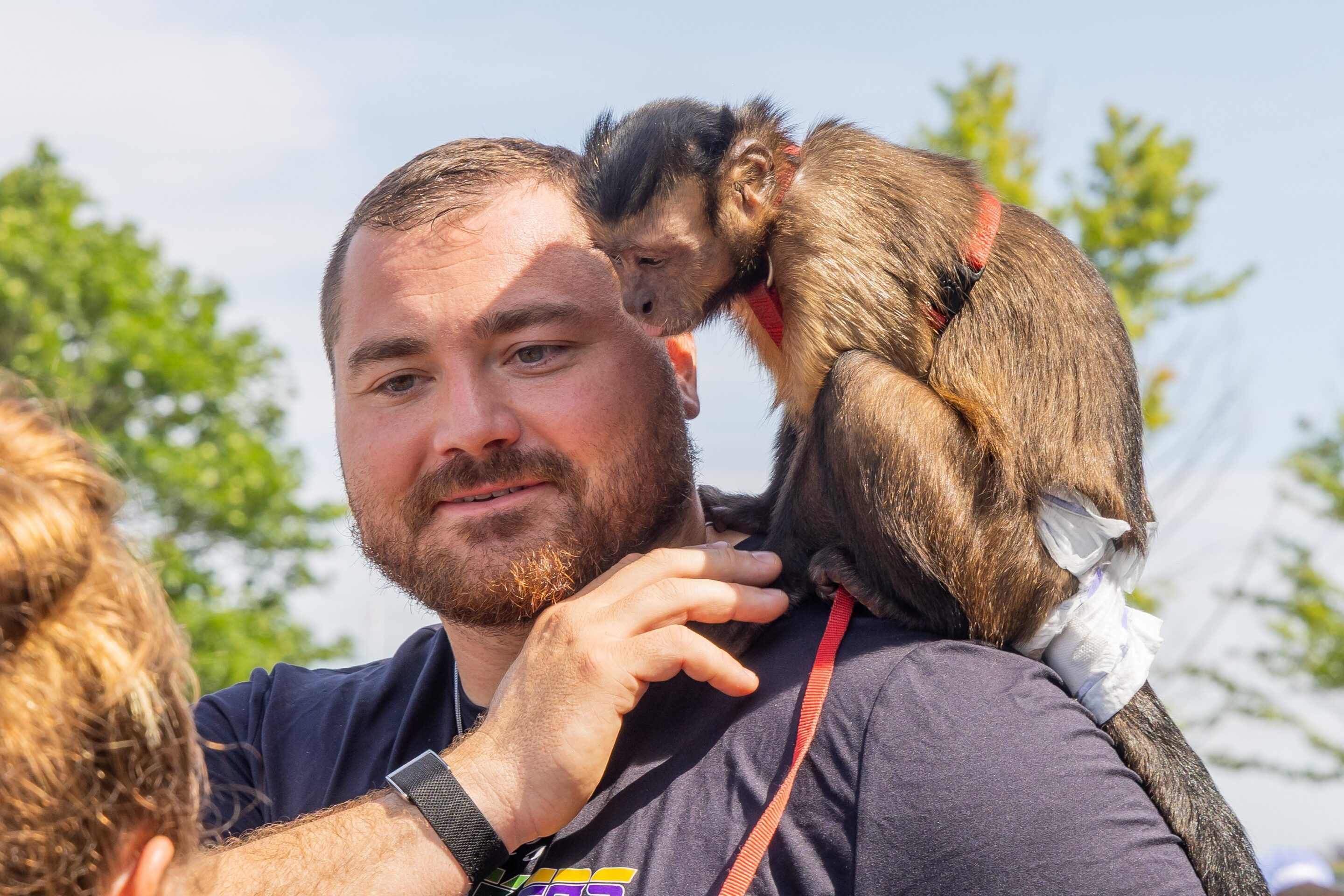
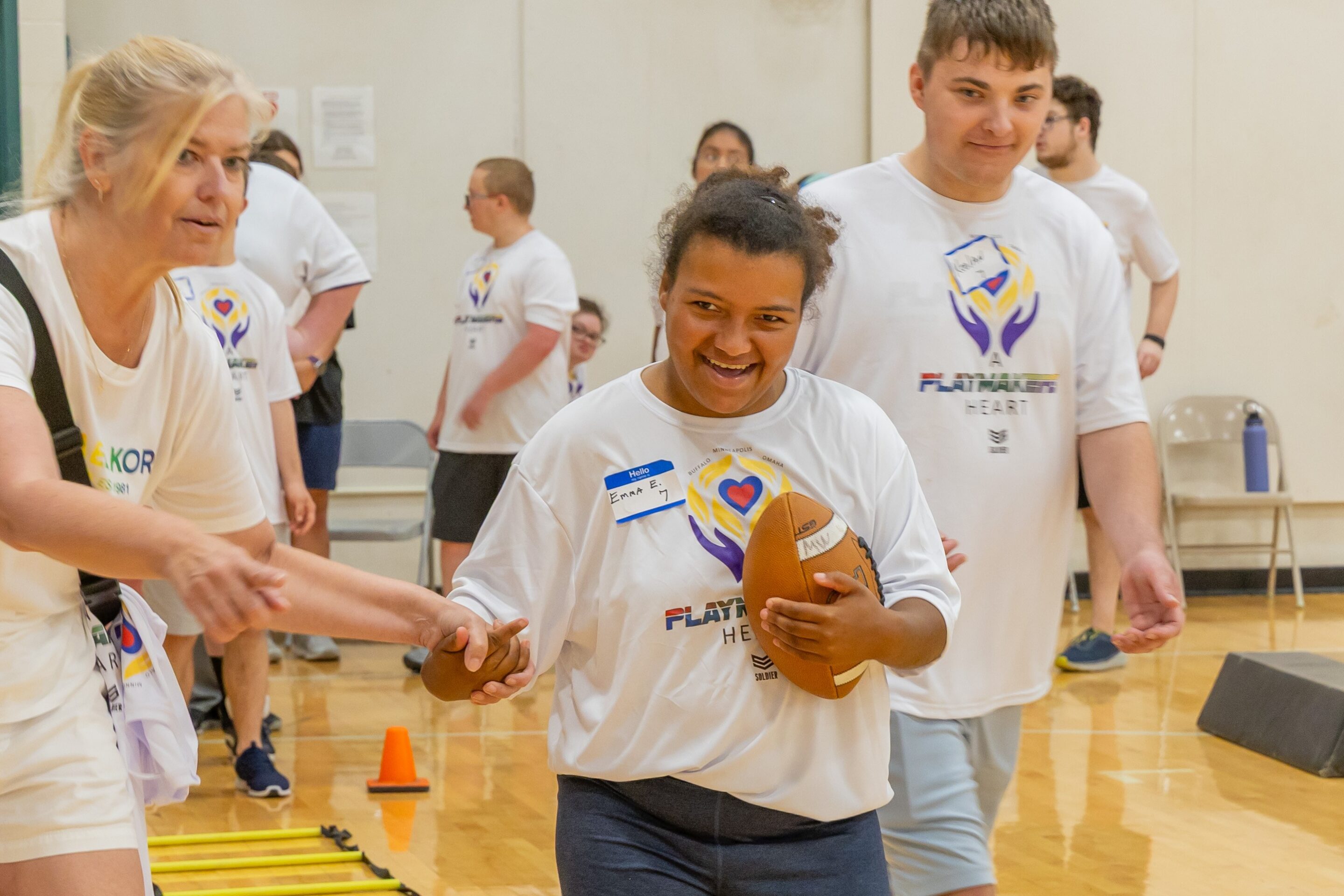
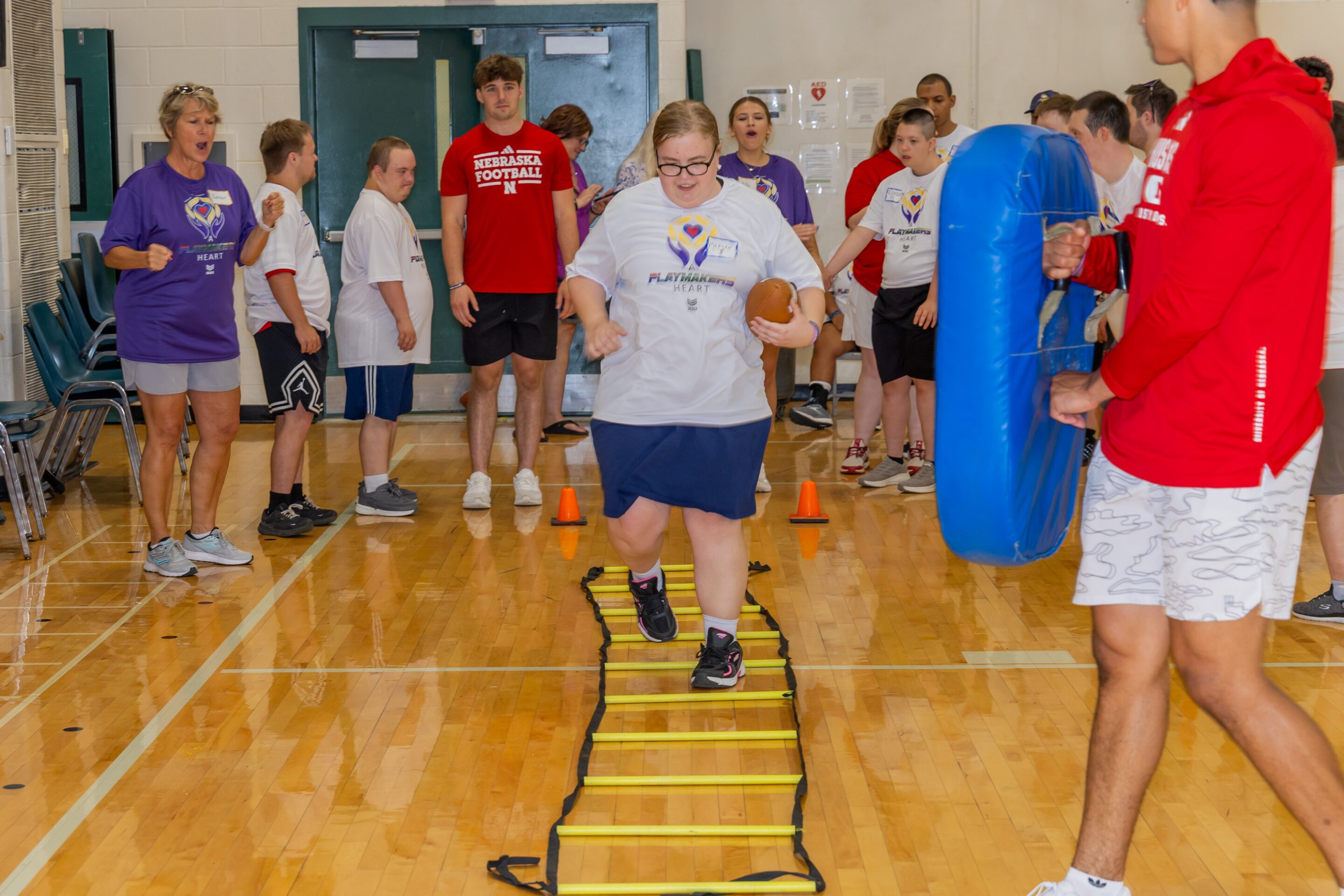
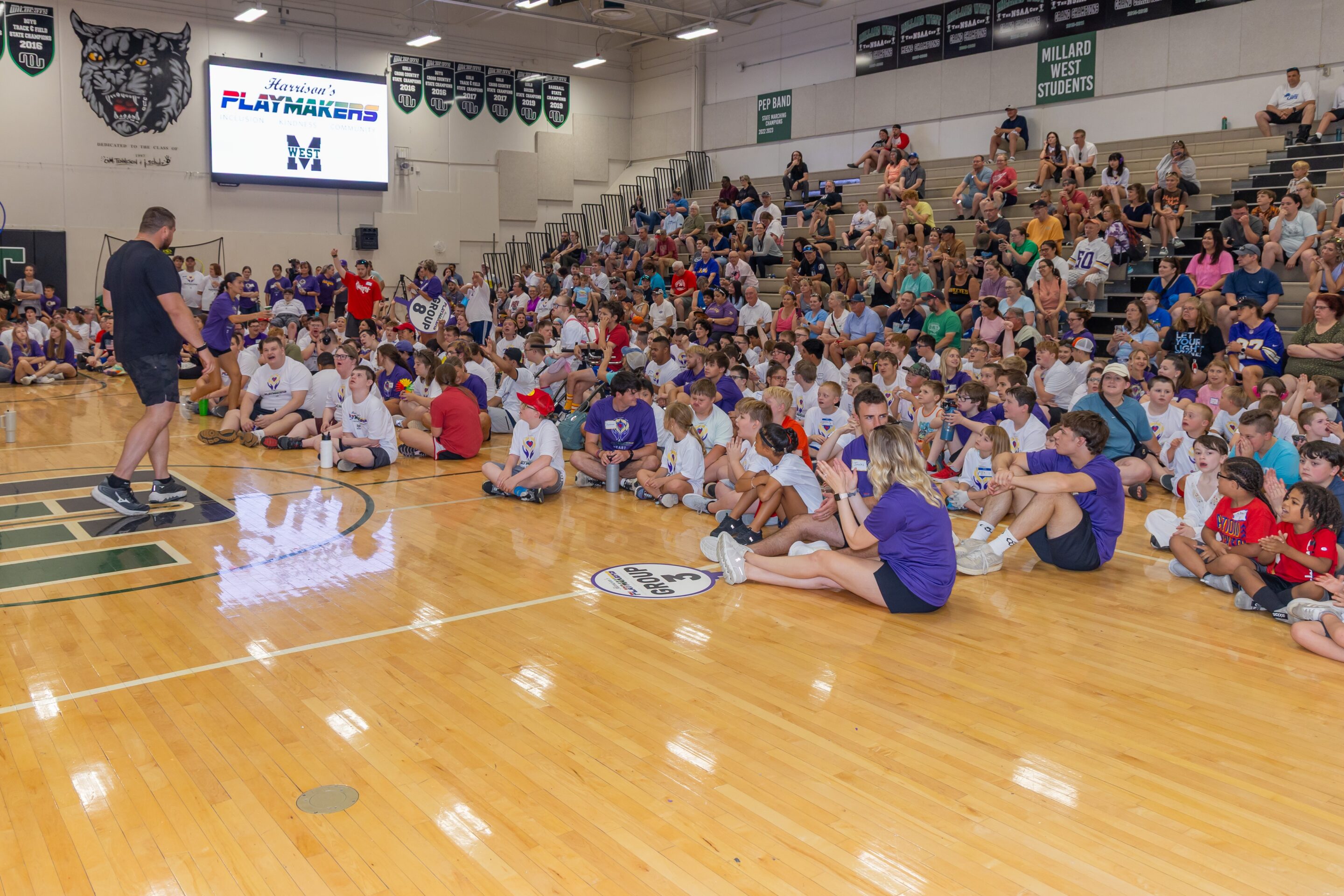
What’s special about our sports day camps is that we aim for all participants (up to 300 of them at a time) to complete every single activity. We use sports-themed activities to challenge them. We try to create fun and different activity stations (Tackling drills, soccer skills, yoga, petting zoo, weightlifting, bouncy houses, etc) and have never eliminated any station because “the kids can’t do that one due to the disability”. Regardless of the differences, we find a way for everyone to compete. (For example, we help a person with cystic fibrosis in a wheelchair make a touchdown, or a blind person tackle a football player.)
Q. Do you have a favorite story from a camp or event—whether teamwork, courage, or overcoming fear—that still stands out as a defining Playmakers moment?
A. One of my favorites was from my first Playmaker camp in Nebraska. We formed a victory tunnel where volunteers and football players and participants stood across from one another and raised their arms up and held hands and made a tunnel. Campers were then able to run through this tunnel, like you see at some sports games. And for many of them, that was the very first time they ran through a tunnel while their peers and friends were cheering them on.
Seeing their proud faces was so very heartwarming that it reinforced that this is what I need to do! It encouraged me to continue running these camps. It also meant so much to the attendees that now we get some Millard West cheerleaders, NE Husker football players and NE women’s volleyball players attend to help cheer them on even more.
Q. Your organization currently serves Buffalo, Omaha, Minneapolis, and New Jersey. What qualities do you look for when considering a new city, and looking 10 years ahead, what growth, programs, or impact do you hope the organization will achieve?
A. The reality of where my chapters are involves where I have been. I have played football in California, so that could potentially be another landing point, and I have a few ties to some locations in Florida. But Omaha, Buffalo, Minnesota, and New Jersey are the areas to which my career has taken me, and since I have played there, I am more relevant there, which in turn gives me a bigger platform to grow there.
Ten years from now, I see Harrison’s Playmakers evolving. I’d like to go bigger, but in different areas. Bigger to me isn’t 50 states. Bigger to me is deeper relationships and larger events. I’ve said for a few years, while there were over 600 people at our most recent camp held for 4 hours on one day, I’d love for my camp to get so large in Nebraska that I have to do it on separate days with multiple groups. That is the kind of growth I am striving for.
Q. What is one misconception about children with developmental differences or at‑risk youth that you wish more people understood—and how does your organization work to challenge and change that perception?
A. I find that people who aren’t acquainted with, or don’t have close connections to individuals with developmental differences or special needs, often pity the group and feel really bad for them. I also think they set a very low bar for what this population is and can do. One of the best ways we flip this perception is having our Playmakers serve their communities. We enforce this through our pay-it-forward campaigns. For each event we host, we select another local charity as our pay-it-forward partner and ask (never demand) our attendees to bring donations to our event for that cause.
To those with the perception that individuals with special needs can’t do much and aren’t a positive contribution to society, we tell them: “In the last year, our members have donated to 10 different causes, volunteered to hand out meals to veterans, visited folks in retirement homes and spent time with kids in local Children’s Hospitals. What have you done in the last year to help your communities?”
Get Involved with Harrison’s Playmakers
Thank you so much Harrison, for using your talents and reach to serve so many youth and young adults across the country. We are honored to support your mission of inclusion, kindness, and community.
Thinking about getting involved with this incredible organization? To donate, become a sponsor, or volunteer, check out their website at https://www.harrisonsplaymakers.org/join.
If you know someone who would love to become a “Playmaker Pup” and find out more about upcoming events, send them the online sign up form. Becoming a Playmaker Pup gives you access to upcoming events and mentorship opportunities.
( https://www.harrisonsplaymakers.org/playmaker-pup-sign-up )
To stay informed about upcoming sports camps and events, go to their website or you can also follow Harrison’s Playmakers on Facebook, Twitter, and Instagram.
Get Involved:
Follow & Share: